Pakistani Style Wedding Dresses: A Complete Guide to Wedding Fashion
Pakistani weddings are known for their beautiful traditions, colorful celebrations, and elegant clothing. From heavily embroidered bridal outfits to graceful dresses for wedding guests, fashion plays an important role in every celebration. Pakistani style wedding dresses combine traditional craftsmanship with modern designs, giving women many options for mehndi, baraat, walima, and other wedding events.
What makes Pakistani wedding fashion special is the variety. Some women prefer traditional silhouettes covered in embroidery, while others choose lighter outfits with modern cuts and minimal decoration. Designers also continue to introduce new combinations of colors, fabrics, embroidery, and cuts, making Pakistani wedding clothing suitable for different ages and personal styles.
Whether you are a bride, bridesmaid, sister of the bride, or wedding guest, choosing the right outfit depends on the event, season, fabric, color, and level of embroidery. This guide explores popular wedding dress styles and provides practical ideas for creating a beautiful traditional look.
What Makes Pakistani Wedding Dresses Special?
Pakistani wedding clothing has a strong connection with South Asian culture. Traditional embroidery, detailed embellishments, rich fabrics, and vibrant colors are commonly used to create festive outfits.
A wedding dress can include techniques such as zari, zardozi, gota work, dabka, resham embroidery, sequins, pearls, and hand embellishment. These details can completely change the appearance of an outfit.
At the same time, modern Pakistani fashion has become more flexible. Traditional designs are now combined with contemporary cuts, softer colors, and simpler silhouettes.
This combination of old and new is one of the reasons Pakistani wedding fashion continues to be popular.
Popular Pakistani Style Wedding Dresses
There are many types of Pakistani wedding outfits, and each one has its own character. Your choice can depend on the wedding function, your personal taste, and how traditional or modern you want your look to be.
Lehenga Choli
The lehenga choli is one of the most recognizable choices for weddings. It usually consists of a long flared skirt, a blouse or choli, and a dupatta.
Bridal lehengas often feature detailed embroidery and embellishments. For wedding guests, lighter versions can be more comfortable while still looking festive.
A heavily embroidered lehenga works especially well for the main wedding ceremony, while a lighter design can be suitable for a mehndi or engagement.
Sharara
Sharara dresses have become increasingly popular in Pakistani wedding fashion. A sharara typically features wide-legged trousers paired with a short or medium-length shirt and dupatta.
The flowing shape creates an elegant appearance and works beautifully with embroidery. Sharara outfits are particularly suitable for mehndi and festive evening events.
For a softer look, choose a pastel or muted shade with delicate embroidery. For a more traditional appearance, brighter colors with gold or silver embellishment can work well.
Gharara
The gharara is another traditional South Asian outfit that remains popular at Pakistani weddings.
It generally consists of a shirt paired with flared trousers that have a distinctive gathered or fitted section near the knee. Ghararas can be heavily decorated for bridal wear or designed with lighter embroidery for guests.
This style is a good choice for someone who wants traditional clothing without wearing a conventional lehenga.
Anarkali
Anarkali dresses feature a fitted upper portion and a long, flowing flare. They create a graceful silhouette and can be styled for both formal and semi-formal wedding events.
A heavily embroidered Anarkali can make an elegant baraat or walima outfit. Lighter fabrics and minimal embroidery can make the same silhouette suitable for smaller celebrations.
Long Shirt with Gharara or Sharara
A long shirt paired with a sharara or gharara offers a modern interpretation of traditional clothing. The longer shirt provides more coverage, while the flared trousers add movement to the outfit.
This combination works well for women who want something comfortable but still appropriate for a formal wedding.
Traditional Peshwas
A Peshwas is a long, flared dress that has a strong connection with traditional South Asian fashion. It can be decorated with embroidery, borders, tassels, and embellishments.
A Peshwas in a rich color can create a dramatic wedding look, while pastel versions can feel softer and more contemporary.
Pakistani Bridal Dresses
Bridal clothing is usually more detailed and elaborate than regular wedding guest outfits. Pakistani brides often choose dresses with extensive embroidery, traditional embellishments, and carefully coordinated accessories.
Bridal Lehenga
A bridal lehenga is a classic choice for the wedding day. Red has traditionally been associated with bridal fashion, but modern brides also wear maroon, deep pink, gold, green, ivory, and other shades.
The embroidery may include floral patterns, geometric details, traditional motifs, and metallic embellishment.
Bridal Sharara
A bridal sharara offers a slightly different silhouette while maintaining a traditional appearance. It can be paired with a heavily embroidered short shirt and an embellished dupatta.
The wide trousers create movement and can look especially beautiful in photographs.
Bridal Gharara
For brides who prefer traditional silhouettes, a heavily decorated gharara can be an elegant choice. Detailed borders and embroidery can give the outfit a luxurious appearance without relying entirely on a large skirt.
Dresses for Mehndi Functions
Mehndi events are usually colorful, energetic, and playful, so the clothing can reflect that atmosphere.
Bright shades such as yellow, green, orange, pink, and turquoise are popular choices. Floral embroidery, gota work, mirror work, and colorful embellishments can add a festive touch.
For a mehndi, you do not always need a heavily embroidered outfit. A lightweight dress with colorful details can be easier to wear throughout a long event.
Short Shirt with Sharara
A short embroidered shirt with a colorful sharara is a practical choice for mehndi celebrations. You can add traditional jewelry and a decorative dupatta to complete the look.
Angrakha Style Dress
An Angrakha-inspired outfit uses overlapping panels that create a traditional appearance. With colorful embroidery and a suitable border, it can make a stylish mehndi outfit.
Dresses for Baraat
Baraat is generally considered one of the more formal wedding functions, so richer fabrics and detailed embroidery are common choices.
Deep red, maroon, burgundy, gold, emerald, and other rich colors can create a traditional appearance. However, there is no single color that every woman needs to wear.
A heavily embroidered lehenga, gharara, or long shirt can work well for this occasion.
Dresses for Walima
Walima fashion often has a softer and more elegant appearance. Pastel colors, silver embellishments, delicate embroidery, and flowing silhouettes are popular choices.
Shades such as powder blue, lavender, blush pink, champagne, ivory, and sage green can create a sophisticated look.
A long maxi, embellished gown, or elegant traditional suit can be suitable for a walima.
The main idea is to balance decoration with comfort. Since walima celebrations can involve several hours of sitting, meeting guests, and taking photographs, a dress that feels comfortable can make the experience much easier.
Best Fabrics for Pakistani Wedding Dresses
Fabric can significantly affect the appearance and comfort of a wedding outfit.
Velvet
Velvet is especially popular for winter weddings. Its rich texture gives heavily embroidered dresses a luxurious appearance.
Chiffon
Chiffon is lightweight and commonly used for dupattas and flowing dresses. It can create a soft and elegant appearance.
Silk
Silk offers a smooth and polished finish. It works well for formal outfits and can be combined with traditional embroidery.
Organza
Organza has a structured appearance and is often used for dupattas, sleeves, and decorative layers.
Net
Net fabric is commonly used in formal dresses, particularly for dupattas and layered silhouettes.
Choosing the fabric according to the season is important. Heavy fabrics may be uncomfortable for summer weddings, while lightweight materials may not provide enough warmth during winter celebrations.
Choosing the Right Wedding Dress Color
Color can completely change the mood of an outfit.
Traditional bridal colors include red, maroon, and deep pink, while contemporary bridal fashion also includes gold, ivory, green, and other combinations.
For mehndi events, brighter colors often work well. For walima, softer shades can create an elegant appearance.
Your skin tone, jewelry, venue lighting, and personal preference should also be considered when selecting a color.
Instead of following every fashion trend, choose a shade that you genuinely feel comfortable wearing.
Embroidery and Embellishment
Embroidery is one of the defining features of Pakistani wedding clothing. Different techniques can create completely different effects.
Zardozi and dabka can provide a traditional metallic appearance. Gota work can create a festive look, while delicate thread embroidery can give an outfit a softer appearance.
Sequins, pearls, stones, and beads can also be used to add shine.
The amount of embellishment should depend on the event. A bride may choose extensive handwork, while a wedding guest may prefer lighter decoration.
How to Style Pakistani Wedding Dresses
The dress is only one part of the overall look. Jewelry, footwear, makeup, hairstyle, and dupatta styling can all affect the final appearance.
For a traditional outfit, jhumkas, bangles, a tikka, or a traditional necklace can complement the dress.
For a modern outfit, simpler jewelry can create a cleaner appearance.
The dupatta can be worn over one shoulder, draped around the arms, or styled traditionally over the head depending on the outfit and occasion.
Comfort should also be considered. If you are attending a long wedding event, choose footwear that allows you to move comfortably.
Pakistani Wedding Dresses for Wedding Guests
Wedding guests have plenty of options beyond traditional heavy bridal clothing.
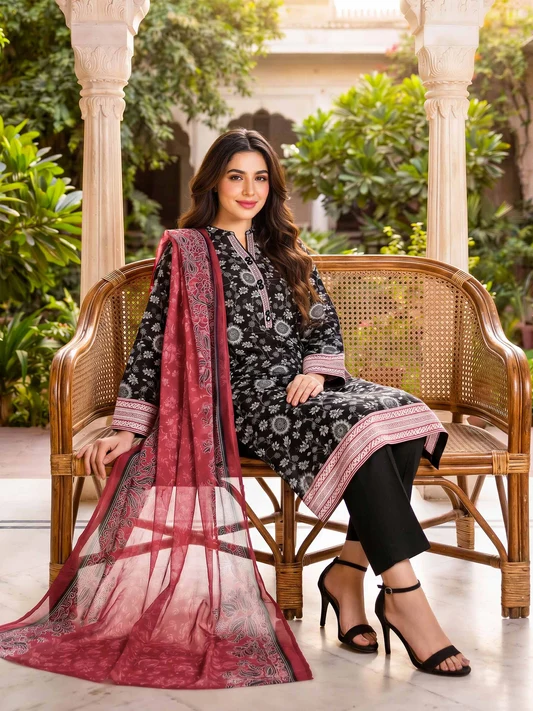
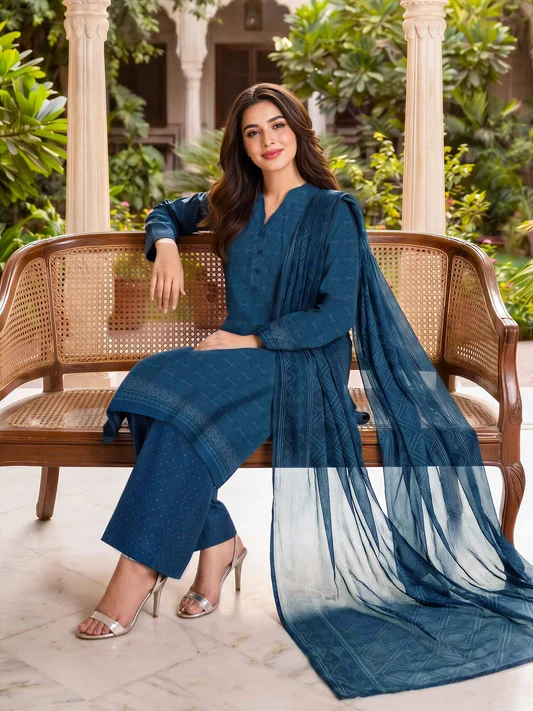
A guest can choose an embroidered three-piece suit, long shirt with trousers, sharara, gharara, maxi, or lighter lehenga.
The main goal is to look festive without making the outfit unnecessarily heavy.
For daytime weddings, lighter colors and fabrics can work well. Evening events allow more freedom with darker shades, metallic details, and stronger embellishment.
Pakistani Style Wedding Dresses for Different Seasons
Summer Weddings
For summer celebrations, lightweight fabrics such as chiffon, lawn, silk blends, and breathable materials can be more comfortable.
Pastel colors and lighter embroidery can also help create a fresh appearance.
Winter Weddings
Winter weddings allow you to experiment with richer fabrics such as velvet and heavier silk.
Deep colors, metallic embroidery, shawls, and embellished dupattas can create a warm and elegant look.
How to Choose the Right Dress for Your Body Shape
There is no single dress style that works for everyone. The best choice is usually the one that makes you feel comfortable and confident.
Flowing silhouettes can create a relaxed appearance, while fitted shirts can provide a more structured look.
If you prefer a balanced outfit, consider combining a detailed top with a simpler bottom or vice versa.
The length of the shirt, width of the trousers, and amount of embroidery can also be adjusted according to personal preference.
Current Trends in Pakistani Wedding Fashion
Modern wedding fashion is increasingly mixing traditional craftsmanship with contemporary styling.
Pastel bridal outfits, monochrome combinations, delicate embroidery, statement sleeves, layered dupattas, and modern cuts are frequently seen in formal collections.
At the same time, traditional red bridal wear and classic embroidered silhouettes continue to have a strong place in Pakistani wedding culture.
This shows that wedding fashion does not have to follow one particular style. Traditional and modern elements can easily be combined.
Tips for Buying a Wedding Dress
Before purchasing an outfit, consider where and when you will wear it.
First, decide your budget. Then choose the type of outfit and fabric according to the event.
Check the quality of stitching and embroidery, especially if the dress contains heavy embellishment.
It is also useful to try the outfit before making a final decision. Make sure you can sit, walk, and move comfortably.
If you are ordering online, carefully check the size chart, fabric details, delivery information, and return policy.
Final Thoughts
Pakistani style wedding dresses offer a beautiful combination of culture, craftsmanship, and modern fashion. From traditional lehengas and ghararas to contemporary maxis and embellished suits, there are countless options for brides and wedding guests.
The best outfit is not necessarily the heaviest or most expensive one. A good wedding dress should match the occasion, suit the season, feel comfortable, and reflect your personal style.
Whether you are attending a colorful mehndi, a formal baraat, or an elegant walima, choosing the right combination of fabric, color, embroidery, and accessories can help you create a memorable look.
Frequently Asked Questions
What are the most popular Pakistani wedding dresses?
Lehengas, shararas, ghararas, Anarkalis, Peshwas, and embroidered long shirts are among the popular choices for Pakistani weddings.
What should I wear to a Pakistani mehndi?
Bright colors, lightweight fabrics, shararas, ghararas, and embroidered shirts are suitable choices for a colorful mehndi celebration.
Which colors are popular for Pakistani bridal dresses?
Red and maroon remain traditional choices, while modern brides also choose gold, pink, green, ivory, and pastel combinations.
What is suitable for a Pakistani walima?
Pastel-colored maxis, elegant suits, embroidered long shirts, and lightly embellished formal dresses can work well for a walima.
Which fabric is best for a winter wedding?
Velvet, silk, and other heavier fabrics are suitable for colder wedding events, while lighter materials are generally more comfortable during summer.